
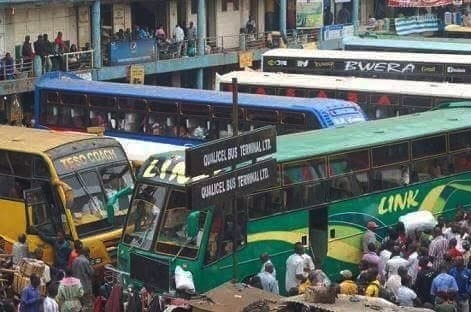
HABARI DAILY I Kampala, Uganda I Ugandan travelers are bracing for cancelled journeys, delays and possible stranding at bus terminals from Monday, October 12, 2026, after bus drivers announced a nationwide sit-down strike over the cost of renewing driver badges and mandatory refresher training.
The United Bus Drivers Association (UBDA) has directed its members to stop driving until the Government and other relevant stakeholders engage the association to address what it describes as excessive financial and administrative burdens imposed on professional drivers.
The planned industrial action threatens to disrupt intercity passenger transport across the country, potentially affecting thousands of people travelling for work, education, business, medical appointments and other personal commitments.
In a notice dated October 8, 2026, UBDA called on drivers to suspend operations and urged the Ministry of Works and Transport, the Police Directorate of Traffic and Road Safety, and the Uganda Bus Owners Association to engage its leadership to resolve the dispute.
For travellers, the immediate concern is whether buses will operate normally on Monday, particularly on busy routes connecting Kampala to regional towns and neighbouring countries.
Passengers who depend on scheduled bus services could face last-minute cancellations, overcrowded alternative transport, longer waiting times and increased travel expenses as demand shifts to taxis, minibuses and other available options.
Those with urgent appointments or connecting journeys may be particularly affected if operators cannot provide alternative arrangements.
Passengers urged to prepare
Although UBDA has described the action as peaceful and temporary, its nationwide scope could leave passengers uncertain about departures, ticket validity and the availability of alternative transport.
Travellers planning to travel on Monday may need to contact their respective bus companies before leaving home to establish whether their services will operate.
Passengers who have already purchased tickets should seek confirmation from operators about departures, rescheduling arrangements and applicable refund policies if journeys are cancelled.
Travellers with time-sensitive commitments may also need to consider alternative transport, while allowing additional time for unexpected delays.
However, alternative services could experience increased demand if a significant number of bus drivers participate in the strike.
The extent of the disruption will depend on the number of drivers who heed the call, whether bus companies can maintain operations and how quickly government authorities respond to the association’s concerns.
Why drivers are protesting
UBDA says the dispute centres on the cost of complying with annual driver badge renewal requirements and the expenses associated with mandatory refresher training.
The association argues that drivers’ regular salaries are insufficient to accommodate recurring compliance costs, creating financial pressure on workers who must meet the requirements to continue operating legally.
“The current arrangement places a significant financial burden on drivers whose salaries do not adequately support recurring annual costs,” the association said in its notice.
UBDA insists that it supports government regulation and measures intended to improve passenger safety but wants authorities to review the costs and consult professional drivers before implementing requirements.
“Our position is that road-safety training should be strengthened, but it should also be practical, affordable and designed in consultation with the professional drivers who operate Uganda’s roads every day,” the notice reads.
The association says advance notification of the strike is intended to give passengers, bus operators and government agencies time to prepare.
Nevertheless, unless negotiations produce an agreement before Monday, travellers could bear the immediate consequences of the disagreement.
Government’s road safety requirements
The dispute comes amid efforts by authorities to strengthen oversight of public transport and improve road safety.
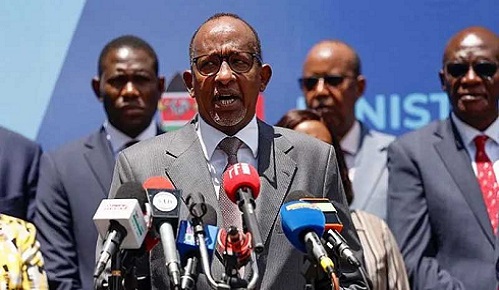
On August 17, 2026, State Minister for Transport Fred Byamukama announced measures requiring public service vehicle drivers to undergo vetting before receiving badges valid for one year.
Renewal depends on the driver’s road safety record and conduct. Drivers must also have completed a refresher course at a licensed driving school within the preceding 24 months.
The two requirements operate on different timelines: badges are renewed annually, while refresher training must have been undertaken within the previous two years.
Authorities have defended such measures as part of efforts to ensure that drivers remain competent and accountable while transporting passengers.
Other safety requirements include having two accredited drivers on buses travelling more than 450 kilometres and on interstate routes, a measure intended to address fatigue during long-distance journeys.
However, the implementation of badge requirements has previously generated disagreements among drivers and bus operators.
In December 2024, bus owners and drivers sought a two-month extension after reporting delays in obtaining the required documents. The process disrupted operations as police conducted highway checks.
Negotiations hold the key
The planned strike now places pressure on the Government, police and bus owners to find a solution that balances passenger safety with the financial realities facing drivers.
A negotiated settlement could avert widespread disruption, particularly if authorities agree to review the fee structure, improve the renewal process and consult drivers on affordable training arrangements.
For passengers, the priority is the restoration of predictable transport services without compromising the safety standards intended to protect them.







About the Author