

Hellen Nakimuli, the late Kalangala Woman MP
HABARI DAILY I Kampala, Uganda I The Uganda Medical Association (UMA) has called for a transparent, evidence-based investigation into the death of Kalangala Woman MP Hellen Nakimuli, citing a combination of medical, procedural, and public-interest concerns that have raised questions within the health fraternity.
Nakimuli died on April 19 at Alexandra Medical Centre following what sources describe as an unsuccessful surgical procedure. Her sudden passing has triggered widespread public concern, with doctors pointing to the need for clarity around the exact sequence of medical events leading to her death.
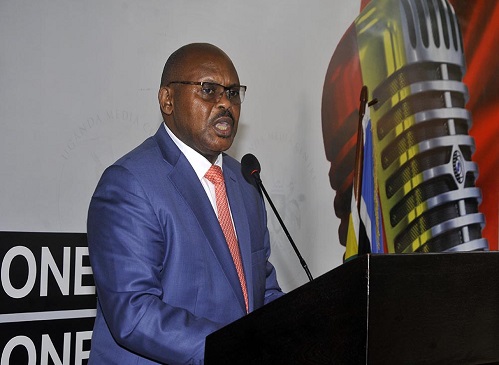
In a statement issued on April 21, UMA President Dr Frank Asiimwe expressed “profound shock” and emphasized that while death is an inherent risk in medical care, certain circumstances in this case warrant closer scrutiny.
One of the key reasons doctors are raising questions is the reported nature of the procedure itself. Health professionals note that when a patient undergoes surgery—particularly in a controlled medical setting—there are established protocols designed to minimize risk. The call for an inquiry seeks to establish whether all pre-operative assessments, intra-operative procedures, and post-operative care met the expected standards.
Closely related to this is the issue of clinical decision-making. Experts say investigations must determine whether the chosen course of treatment was appropriate given the patient’s condition, medical history, and presenting symptoms. Any ambiguity in diagnosis, timing of intervention, or choice of procedure could provide critical insight into what transpired.
Another factor prompting concern is the timeliness of emergency response. In cases where complications arise during or after surgery, rapid intervention is crucial. Doctors are keen to establish whether there were any delays in recognizing or managing complications, and whether the facility was adequately equipped to handle emergencies of that nature.
UMA has also pointed to the importance of documentation and communication in medical practice. Proper medical records, informed consent, and clear communication with the patient’s family are essential components of ethical care. Any gaps in these areas often become central in understanding adverse outcomes.
“To ensure clarity and maintain public trust in our healthcare systems, the Association stands ready to provide technical and expert support to any formal inquiry,” the statement read, underscoring the need for a process grounded in science rather than speculation.
The association further stressed that accountability must be balanced with fairness. While the public is demanding answers, UMA cautioned against rushing to assign blame before all facts are established. Medical outcomes, they noted, can sometimes be unpredictable even under optimal care.
“As a fraternity, we remain unshakeably committed to the highest ethical and professional standards. Our mandate is to ensure the safety and well-being of every patient who entrusts us with their life,” Dr Asiimwe said.
“It is, however, a somber reality of medical science that even under the most diligent care and in the most unexpected circumstances, the risk of mortality can never be eliminated,” he added.
Doctors are also concerned about the broader implications for public trust. High-profile deaths such as Nakimuli’s often amplify scrutiny of the healthcare system, making it essential that investigations are independent, transparent, and credible. Failure to provide clear answers, they warn, could erode confidence in medical institutions.
UMA has urged restraint among the public and media, warning that premature conclusions could undermine the integrity of the investigative process. Instead, it is advocating for a structured review involving independent experts who can objectively assess whether professional standards were upheld.
Beyond the immediate case, the association views the incident as an opportunity for institutional reflection. Lessons drawn from the investigation could help strengthen surgical safety protocols, improve emergency preparedness, and reinforce adherence to best practices across the country’s health facilities.
Nakimuli, who represented Kalangala District in Parliament, was widely regarded as an active and vocal legislator. Her sudden death has sparked an outpouring of grief, but also intensified calls for accountability and reform within Uganda’s healthcare system.
As investigations continue, UMA has reiterated its commitment to supporting a process that not only uncovers the truth behind Nakimuli’s death but also contributes to improving healthcare delivery nationwide.